




Starting a Towing Company? Know the Costs
Discover what it takes financially to get your towing business off the ground. Essential insights in under 150 characters.
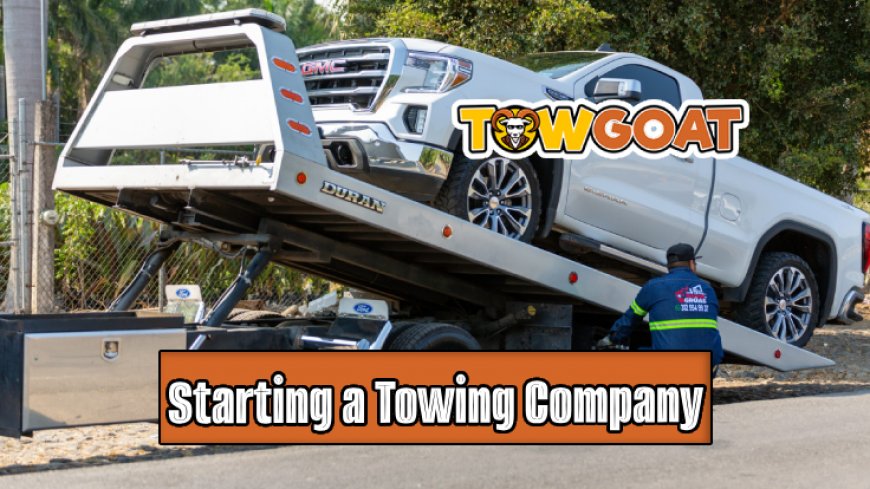
Wondering how much does it cost to start a towing company? You're not alone. This common question among aspiring entrepreneurs has a complex answer, as startup costs can vary widely. This article aims to break down the financial aspects to give you a clear starting point.
How Much Does It Cost to Start a Towing Company?
Starting a towing business requires a significant financial investment. This includes the costs of tow trucks or towing equipment, which represent a major initial expense. Insurance, licenses, and permits are also essential, adding to the setup cost. Let's explore these components and more to understand the full financial scope.
Table of Contents
- 1. Tow Truck(s) or Towing Equipment
- 2. Commercial & Specialty Insurance
- 3. Licenses and Permits
- 4. Fuel Expenses
- 5. Initial Equipment and Tools
- 6. Vehicle Maintenance and Repairs
- 7. Marketing and Advertising
- 8. Office/Dispatch Technology & Overhead
- 9. Employee Wages and Payroll
- 10. Legal and Accounting Fees
1. Tow Truck(s) or Towing Equipment
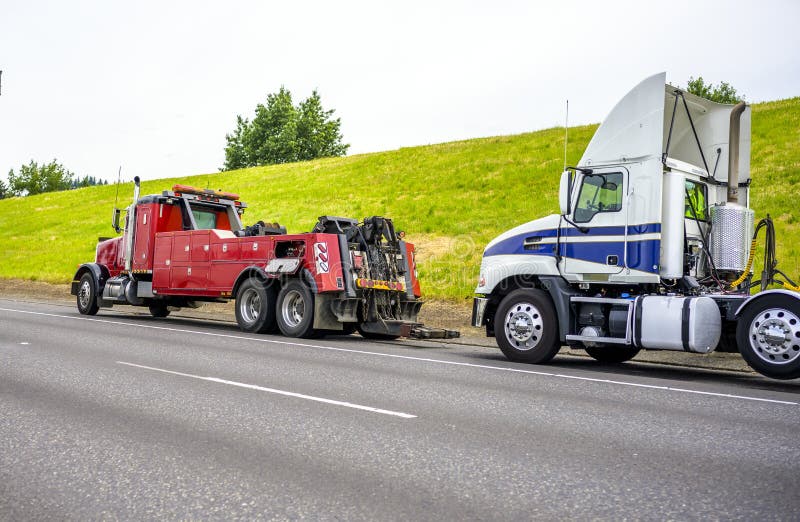
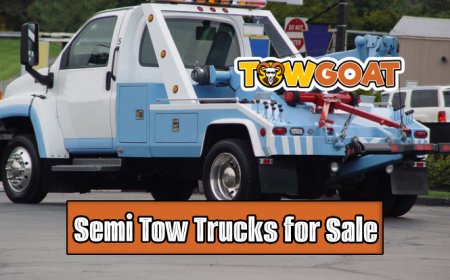
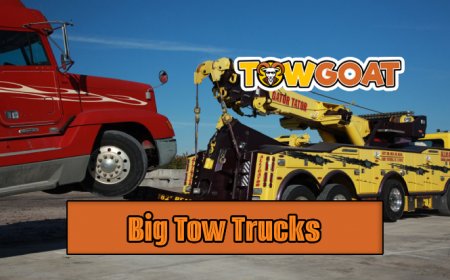
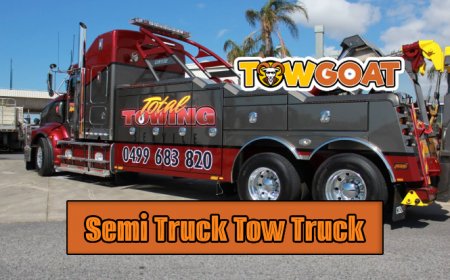
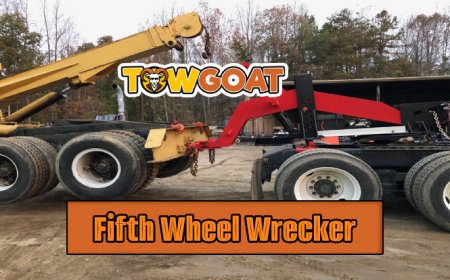
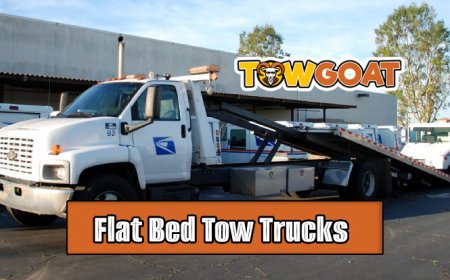
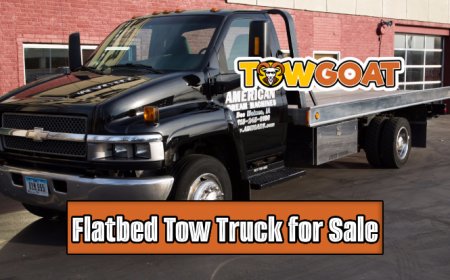
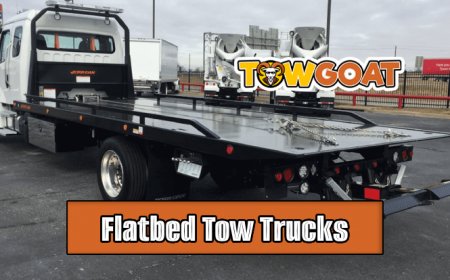
- Type and Size: Options include flatbed, wheel-lift, or integrated wrecker; and light, medium, or heavy-duty.
- New vs. Used: A used truck can cost $25,000 to $100,000, while new ones, especially heavy-duty wreckers, can exceed $500,000.
- Choosing Wisely: Invest based on the services you plan to offer and the size of vehicles you intend to tow.
The cornerstone of your towing business is its trucks and equipment. The initial investment can be substantial, particularly if opting for new, heavy-duty trucks tailored for serious towing tasks. However, for newcomers to the industry, starting with a used truck might be more feasible, offering a balance between capability and affordability. Deciding whether to buy new or used will heavily depend on your business model and financial capacity. Importantly, ensuring your truck matches the typical vehicle size you aim to tow can mitigate unnecessary costs and maximize efficiency.
2. Commercial & Specialty Insurance
- Insurance Types: Includes General Liability, Commercial Auto Insurance, "On-Hook" Coverage, and "Cargo" Coverage.
- Coverage Levels: Often, a minimum of $1 million in coverage is recommended, particularly for Commercial Auto Insurance.
- Cost Impact: Insurance is a substantial ongoing expense, necessary due to the towing industry's high-risk nature.
Insurance for a towing company goes beyond basic coverage, diving into the depths of specialized policies to protect against specific industry risks. This includes covering damages to a customer's vehicle while in your care ("On-Hook" Coverage) and the items within it ("Cargo" Coverage), on top of general liability and commercial auto insurance. Given the potential liabilities involved, skimping on coverage isn’t advisable despite the high costs. The right insurance not only protects your financial wellbeing but also builds trust with your clients.
3. Licenses and Permits

- Business Registration: Necessary for legal operation; costs vary by location and business structure.
- Towing Specific Licenses: May need local, state, or federal licenses depending on your operating area.
- CDL Requirements: A Commercial Driver's License (CDL) may be required for operating larger tow trucks.
Before hitting the road, your towing company must navigate the legal landscape of licenses and permits. This journey starts with registering your business entity, such as an LLC, which can vary in cost depending on the state. Additionally, specific towing licenses might be needed, dictated by the geographical areas you plan to serve. If your fleet includes larger trucks, prepare for some operators to obtain a CDL, introducing additional costs for training and testing. These legal requisites not only ensure compliance but also pave the way for a reputable and lawful business operation.
4. Fuel Expenses
- Fuel Efficiency: Tow trucks, especially diesels, are known for low MPG, meaning larger fuel expenses.
- Operational Costs: Fuel can constitute up to 30% of your monthly budget, variable by fuel prices and usage.
- Budget Planning: Anticipating fuel consumption based on your service area and job frequency is crucial.
Fuel costs constitute a significant part of your towing company's operating expenses. With the inherent low fuel efficiency of tow trucks, especially those running on diesel, the amount of fuel consumed per tow can quickly add up. Planning for these expenses requires a keen understanding of your operational scope; this involves calculating the average distance covered per tow and the number of tows expected per day or month. As fuel prices fluctuate, building a buffer into your budget for fuel expenses will help maintain financial stability.
5. Initial Equipment and Tools
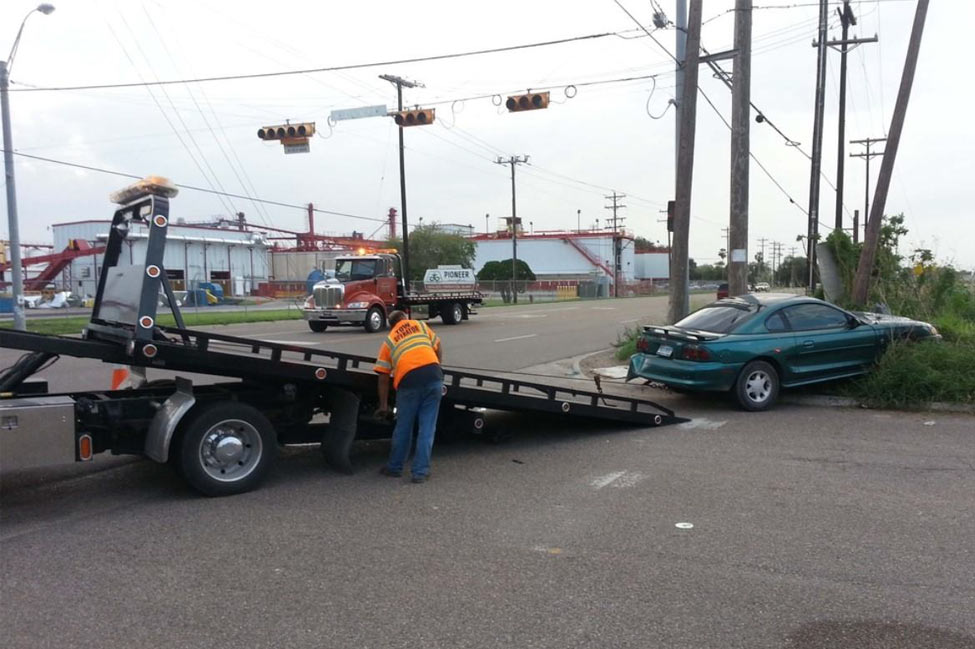
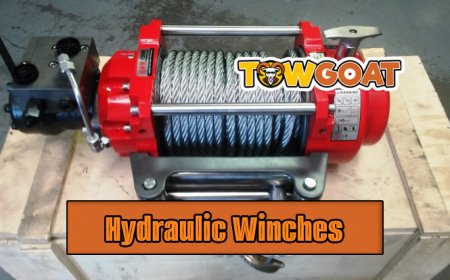
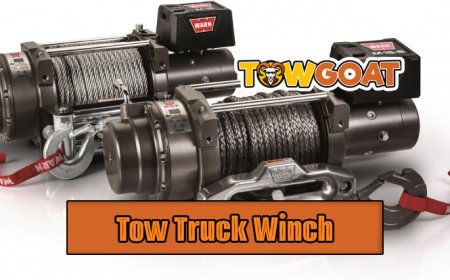
- Essential Tools: Includes winches, chains, tow lights, safety equipment, lockout kits, air compressors, and hydraulic jacks.
- Safety First: Investing in quality safety equipment is non-negotiable for protecting your team and the vehicles you tow.
- One-time Investment: Though a significant initial outlay, these tools are necessary for efficient and safe towing operations.
Your tow trucks may be the workhorses of your business, but without the right tools and equipment, they can't perform to their fullest potential. The initial investment in essential tools will directly impact the quality and safety of your service. From winches and chains for securing vehicles to safety equipment for your crew, these are expenses that cannot be skimped on. Consider this as a foundational investment in your business's capability and reputation. Quality tools not only facilitate efficient operations but also contribute to the longevity of your equipment, saving money in the long term.
6. Vehicle Maintenance and Repairs
- Wear and Tear: Heavy use demands frequent maintenance to prevent breakdowns.
- Unplanned Repairs: Budget for unexpected repairs to avoid operational disruptions.
- Preventive Care: Investing in routine maintenance can extend the life of your trucks.
Maintenance and repair are ongoing realities for tow trucks, given their heavy use. Regular oil changes, tire replacements, and brake services are par for the course to keep your fleet roadworthy. Importantly, setting aside funds for unplanned repairs is crucial. Such repairs can be costly but are often necessary to avoid even more expensive downtime. Viewing maintenance as an investment rather than an expense can help prolong your vehicles' operative life, ensuring they continue to turn a profit for your business.
7. Marketing and Advertising

- Brand Visibility: Essential to attract customers and build a reputable business presence.
- Digital and Local Advertising: Utilize SEO, Google Ads, and local print media to reach potential clients.
- Partnerships: Establish relationships with local motor clubs, police departments, and auto repair shops.
To generate business and stand out in the towing industry, effective marketing and advertising strategies are imperative. Investing in a professional website and SEO can significantly enhance your online visibility, making it easier for potential customers to find you. Local advertising, both digital and print, also plays a crucial role in community awareness. Additionally, forging strategic partnerships can provide a steady stream of referrals, laying the foundation for long-term success. Remember, marketing is an ongoing process, requiring consistent effort and investment to sustain growth.
8. Office/Dispatch Technology & Overhead
- Operating Space: Consider rent, utilities, and insurance for your office or garage.
- Technology Investment: Dispatch software and communication systems streamline operations.
- Office Supplies: Allocate funds for computers, office supplies, and other essentials.
Behind-the-scenes, your towing company's success depends on an efficient office and dispatch system. The overhead costs for maintaining an operational space include rent, utilities, and essential services like internet and phone lines. Investing in advanced dispatch technology can further enhance your operation's efficiency, helping manage calls and dispatch vehicles more effectively. While these costs can add up, they are fundamental to creating a seamless workflow, ultimately contributing to customer satisfaction and business profitability.
9. Employee Wages and Payroll

- Competitive Salaries: Attract and retain skilled drivers, dispatchers, and mechanics with fair wages.
- Payroll Expenses: Include taxes, insurance, and potential benefits within your budget.
- Training Costs: Invest in employee development to enhance service quality and safety.
Your employees are crucial to your towing company's success, warranting a deliberate investment in their wages and development. Offering competitive salaries not only helps attract skilled staff but also promotes loyalty, reducing turnover rates. Additionally, accounting for comprehensive payroll expenses—including taxes and benefits—is essential for financial planning. Investing in regular training ensures your team remains skillful and safety-conscious, directly impacting operational efficiency and customer satisfaction. Remember, a well-compensated and trained team is your business's most valuable asset.
10. Legal and Accounting Fees
- Legal Compliance: Consultation fees for setting up your business correctly and staying compliant.
- Contract Drafting: Professional legal services for drafting agreements with clients and partners.
- Financial Management: Accounting services for bookkeeping, tax preparation, and financial planning.
Finally, legal and accounting professional services represent crucial but often overlooked expenses. Ensuring your business is set up correctly from a legal standpoint, with all necessary permits and licenses, requires skilled legal consultation. Furthermore, professional accounting services are indispensable for maintaining accurate books, preparing taxes, and making informed financial decisions. These professional fees are investments in your business's stability and growth, safeguarding against potential legal disputes and financial mismanagement. As your company grows, these services become even more critical, guiding you through expanding operations and exploring new opportunities.
In conclusion, understanding the comprehensive cost to start a towing company is critical for any aspiring business owner in this industry. From the substantial initial investment in towing equipment to ongoing expenses like insurance, maintenance, and payroll, preparing a detailed financial plan is essential. With thorough planning and strategic budgeting, launching and running a successful towing business is within reach. Remember, the goal isn't just to start but to thrive and grow over time, serving your community safely and efficiently.
What's Your Reaction?