

Top 10 Tips for Buying a Tow Truck
Get the ultimate guide on how to buy a tow truck with these top 10 essential tips. Make an informed decision today!
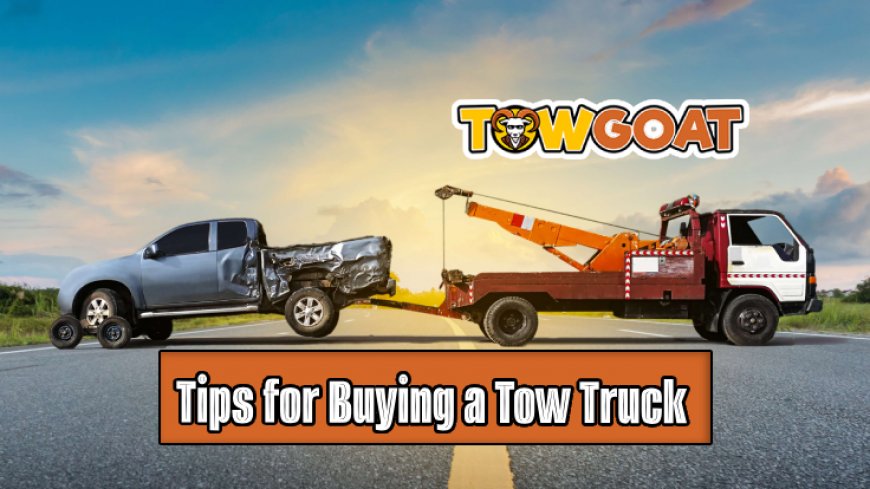
Learning how to buy a tow truck is crucial for anyone looking to enter or expand their presence in the towing industry. This guide distills essential tips to make an informed decision, ensuring you invest in a truck that meets your needs, complies with regulations, and delivers on performance. Whether you're towing light-duty cars or heavy-duty machinery, these top 10 tips will steer you towards making a wise purchase.
How to Buy a Tow Truck: Essential Considerations
Before taking the plunge into purchasing a tow truck, it's vital to understand the various factors that should influence your decision. From assessing your towing needs to choosing the right type of truck and understanding towing capacity, each step is crucial. Here's a streamlined approach to navigate through the complexities of buying a tow truck, simplifying the process to ensure you make a choice that aligns with your budget, operations, and regulatory compliance.
List of Top Choices
- 1. Assess Your Towing Needs
- 2. Choose the Right Type of Tow Truck
- 3. Verify Towing Capacity and Ratings
- 4. Set a Realistic and Comprehensive Budget
- 5. Inspect the Hydraulic System Thoroughly
- 6. Evaluate Engine and Transmission for Towing
- 7. Choose Between New or Used
- 8. Prioritize Safety Features and Compliance
- 9. Research Manufacturer Reputation and Parts Availability
- 10. Check Licensing, Training, and Insurance Requirements
1. Assess Your Towing Needs
- Identify the typical types and sizes of vehicles you will tow.
- Determine required towing capacity and truck type needed.
- Consider the operational environment (e.g., urban vs. rural).
Before you dive into the market for a tow truck, taking stock of your towing needs is key. This initial assessment will guide the rest of your purchasing process. Whether you'll be moving light-duty cars, medium-duty trucks, or need the heavy-duty pulling power for big rigs or buses, your choice will significantly narrow down based on these requirements. Furthermore, where you plan to operate plays a big part in this decision; a compact, maneuverable wheel-lift might be ideal for crowded city streets, while a flatbed could be better suited to long-distance highway hauls. This step ensures you start on the right footing by focusing your search on trucks that match your specific operational needs.
2. Choose the Right Type of Tow Truck

- Match truck design to operational requirements.
- Consider the versatility and safety of Flatbed trucks for a wide range of vehicles.
- Look into the agility and cost-effectiveness of Wheel-Lift trucks for urban environments.
- Heavy-Duty trucks for larger vehicles and specialized recovery operations.
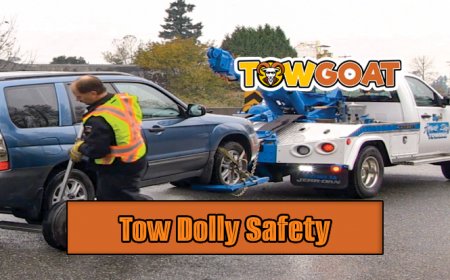
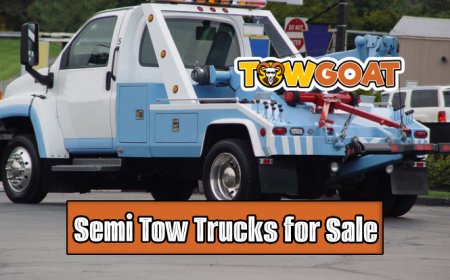
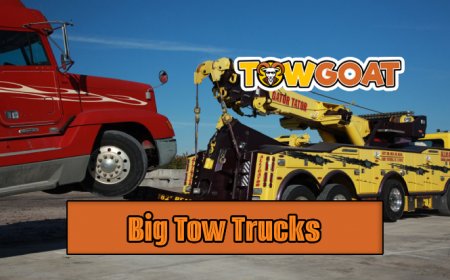
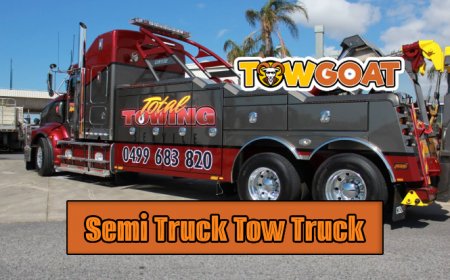
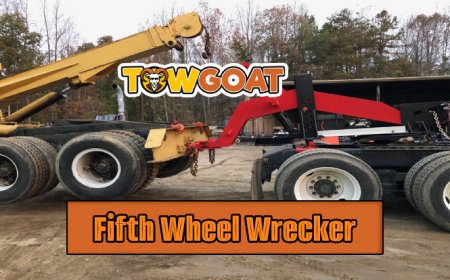
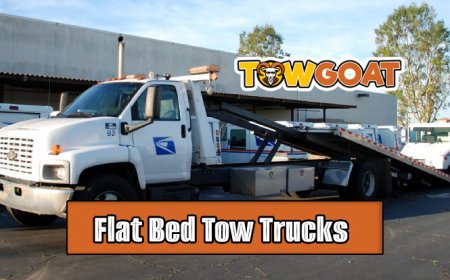
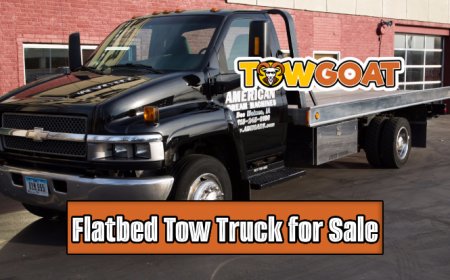
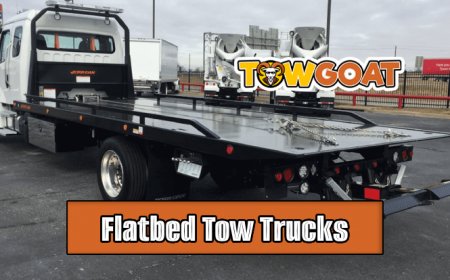
Choosing the right type of tow truck is crucial for efficient and safe towing operations. Flatbed, or rollback, trucks offer versatility and safety, making them a great choice for towing all-wheel drives or vehicles damaged in accidents, especially over long distances. Wheel-lift trucks, often more agile and economic, are better for quick, short tows in urban settings. However, for towing the heaviest vehicles or for specialized recovery operations, only a heavy-duty boom or rotator truck will do. Your operational requirements—guided by the types of vehicles you plan to tow and where you'll be towing them—will directly influence this choice, ensuring optimal performance and customer satisfaction.
3. Verify Towing Capacity and Ratings
- Understand key weight acronyms like GVWR, GCWR, and GAWR.
- Choose a truck with a capacity exceeding typical maximum load by 20-30%.
- Ensure compliance with safety and legal weight limits.
Verifying the towing capacity and ratings of your potential tow truck purchase is not just a good practice—it's a necessity for safety and compliance. Maximum Tow Rating (MTR) alone doesn't provide a complete picture; you also need to be familiar with the Gross Vehicle Weight Rating (GVWR), Gross Combination Weight Rating (GCWR), and Gross Axle Weight Rating (GAWR). Selecting a truck that exceeds your anticipated maximum load by 20-30% provides a safety margin that can prevent overloading, excessive wear, and potential legal issues. This foresight not only protects your investment but also ensures the safety of your operations and compliance with all regulatory requirements.
4. Set a Realistic and Comprehensive Budget
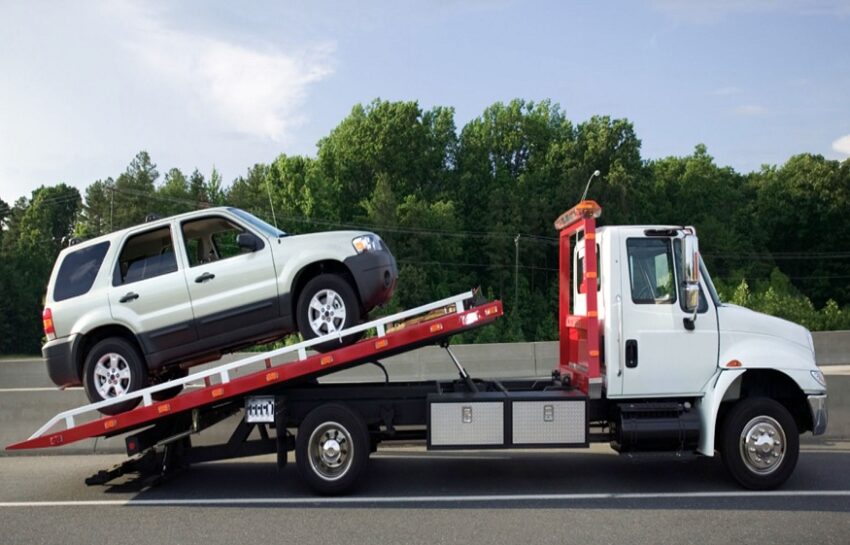
- Factor in long-term operating costs including fuel, insurance, and maintenance.
- Consider financing options and monthly payment affordability.
- Account for registration/licensing fees.
Setting a comprehensive budget for your tow truck purchase involves much more than just the sticker price. Long-term operating costs, such as the type of fuel (gas vs. diesel), insurance premiums, maintenance, and repairs, significantly affect your total cost of ownership. Financing your purchase? Then it's crucial to work out what you can afford in terms of monthly payments beforehand. Don't forget to add in the costs of registration and licensing fees. By calculating these expenses upfront, you ensure your towing operation can run profitably without stretching your finances too thin. A well-planned budget is your safeguard against unforeseen costs and a solid foundation for a successful towing business.
5. Inspect the Hydraulic System Thoroughly
- Check the hydraulic pump, hoses, and connections for leaks or wear.
- Test the boom and bed through their full range of motion.
- Listen for unusual noises or sluggish hydraulic responses during operation.
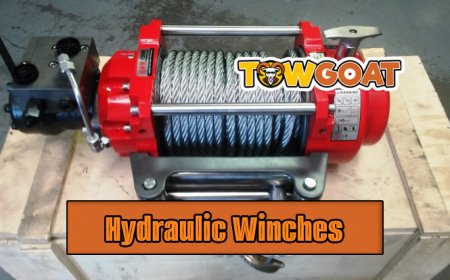
The hydraulic system of a tow truck plays a pivotal role in its operation, powering the boom, winch, and deck. A thorough inspection of these components can prevent the headache of purchasing a vehicle that's ill-equipped for the job or might fail prematurely. Look for any signs of leaks, excessive wear, or rust on the pump, hoses, and connections. During a test, operating the boom and bed through their full range of motion is critical; pay attention to how they perform. Unusual noises or sluggish responses can be red flags signaling potential hydraulic issues. Ensuring the hydraulic system is in top condition is paramount to the truck's reliability and your operational efficiency.
6. Evaluate Engine and Transmission for Towing
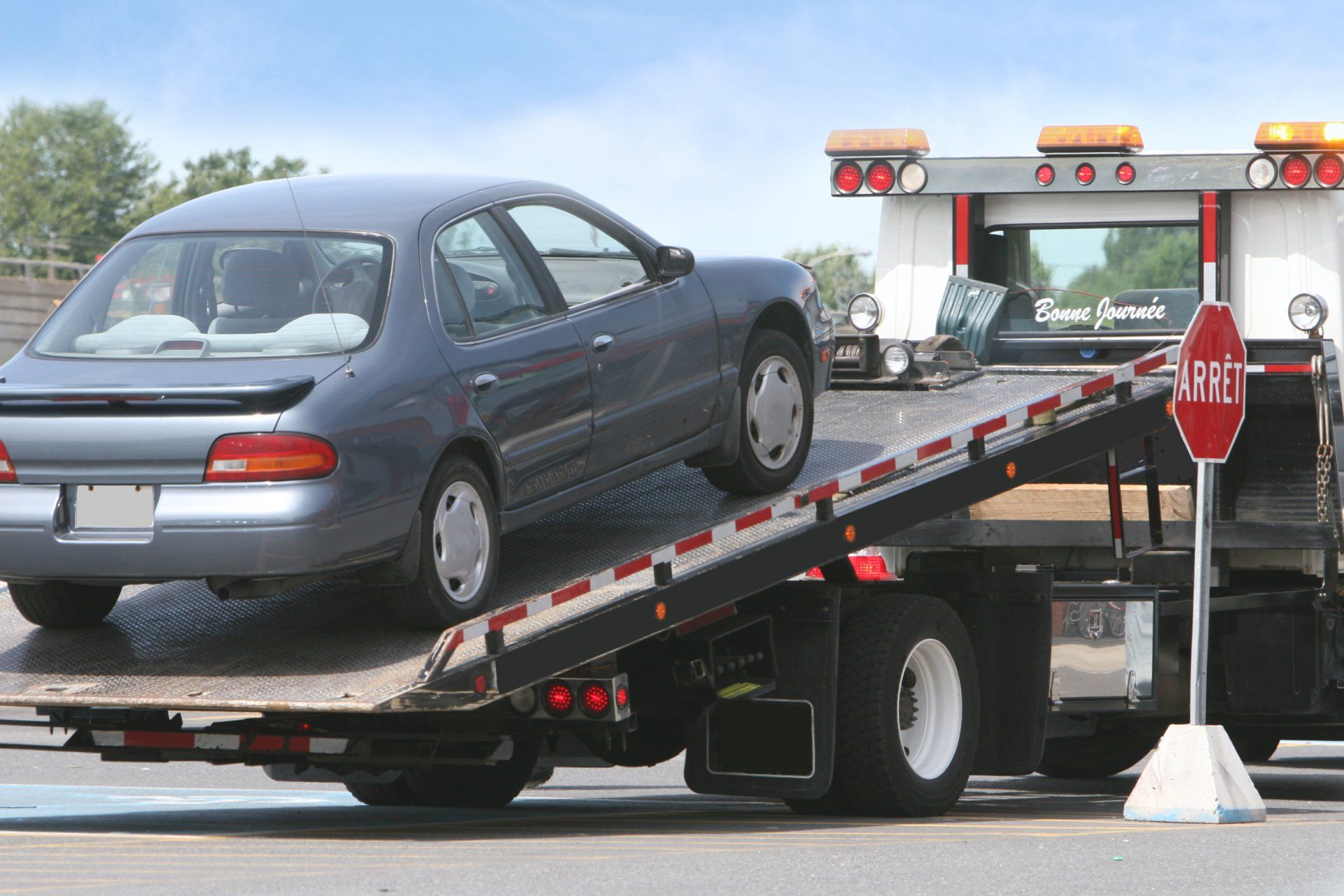
- Opt for a diesel engine for enduring power and torque.
- Check for Tow/Haul Mode and Transmission Cooler in automatic transmissions.
- Assess overall engine and transmission health, especially in used trucks.
Evaluating the engine and transmission is vital when considering a tow truck purchase, especially for those in commercial towing. Diesel engines are typically favored for their robust torque and durability, essential for heavy, frequent towing tasks. Features like an automatic transmission's Tow/Haul Mode, which adjusts shift patterns for optimized towing performance, and a Transmission Cooler to prevent overheating, are critical for maintaining the vehicle's health. It's also crucial, particularly with used trucks, to assess the engine and transmission's overall condition rigorously to ensure longevity and reliability.
7. Choose Between New or Used
- Weigh the benefits of the latest technology and warranties with new trucks against the affordability of used ones.
- Conduct a thorough inspection for mechanical issues on used trucks.
- Review maintenance records and vehicle history for used trucks.
Choosing between a new or used tow truck involves balancing the benefits of modern technology and manufacturer warranties against the cost savings of a pre-owned model. New trucks bring the latest in efficiency, environmental compliance, and often come with comprehensive warranties, albeit at a premium price. Used trucks can offer significant savings upfront but require diligent inspection for potential mechanical issues, particularly concerning the frame, engine, and hydraulic systems. Reviewing maintenance records and obtaining a vehicle history report are essential steps to ensure you're making a wise investment.
8. Prioritize Safety Features and Compliance
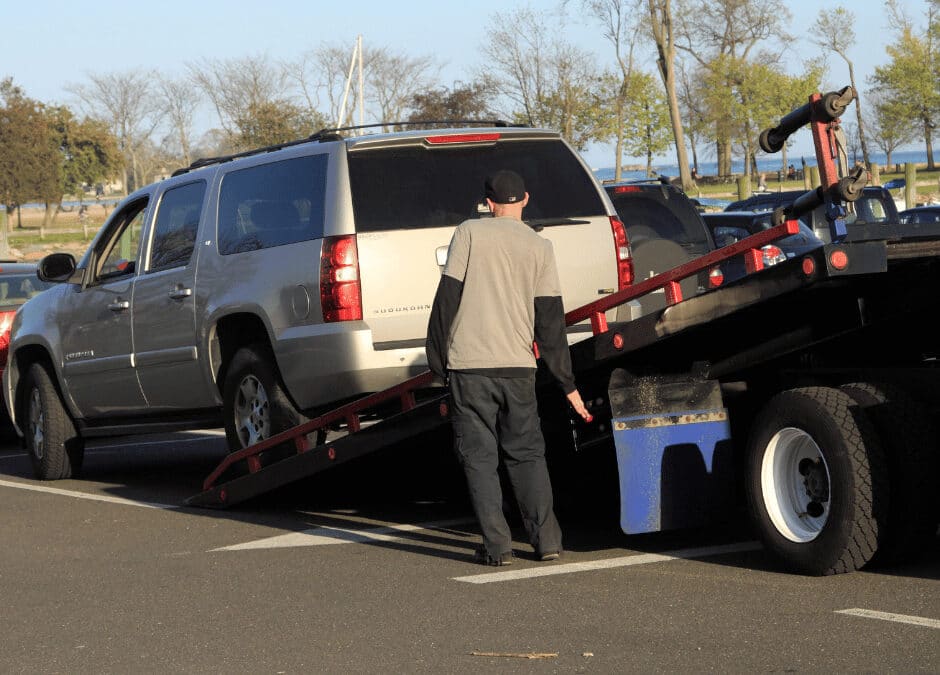
- Ensure compliance with federal, state, and local regulations.
- Look for advanced braking systems, warning lights, and reflective striping.
- Consider integrated trailer brake controllers for heavier towing tasks.
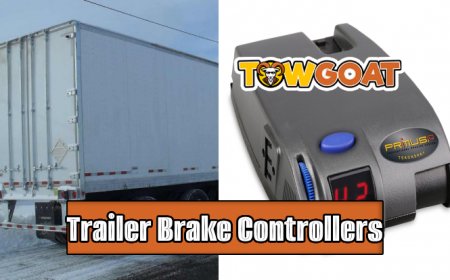
Prioritizing safety features and regulatory compliance cannot be overstated when buying a tow truck. Not only does this protect drivers and the public, but it also safeguards your business from legal issues. Ensure the truck meets all necessary regulations regarding emissions, weight limits, and safety equipment. Features like advanced brake systems, warning lights, and reflective markings are vital for safety. Moreover, for towing heavier loads, trucks equipped with integrated trailer brake controllers offer additional control and reduce wear on the truck’s brakes, contributing to safer towing operations.
9. Research Manufacturer Reputation and Parts Availability
- Select trucks from reputable manufacturers known for reliability and durability.
- Ensure availability of replacement parts and components.
- Consider local dealer support and service capabilities.
Researching a manufacturer's reputation and ensuring wide parts availability are key considerations that can influence your tow truck purchase decision. Opting for models produced by manufacturers with a track record for durability and reliability means less downtime and fewer repairs, leading to higher profitability. Furthermore, easy access to replacement parts and components is essential for maintaining your operations smoothly. Local dealer support can also play a pivotal role, offering peace of mind through readily available service and maintenance options, keeping your truck on the road and working efficiently.
10. Check Licensing, Training, and Insurance Requirements
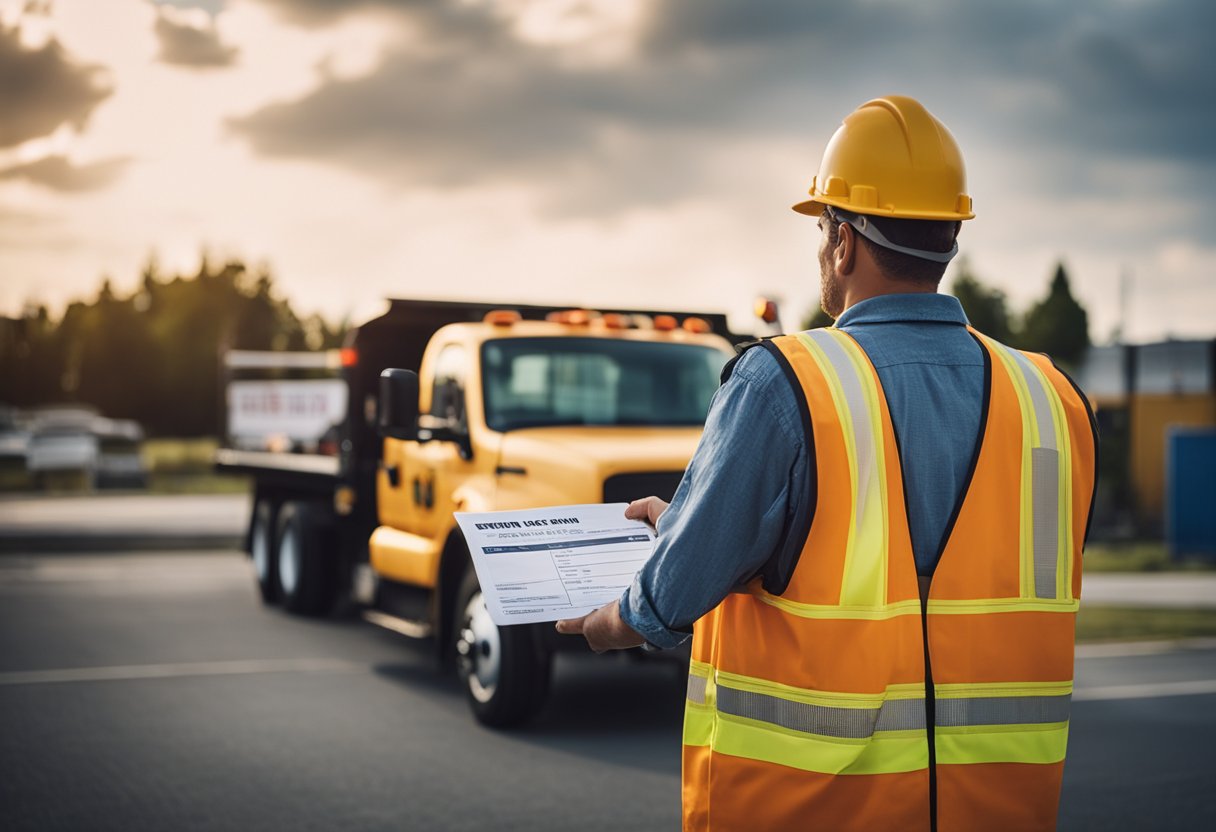
- Understand the CDL requirements for the truck size you're considering.
- Factor in the costs of specialized commercial insurance.
- Invest in operator training for safe and efficient handling.
Last but not least, checking licensing, training, and insurance requirements is an essential step in the tow truck purchasing process. Depending on the size and type of truck, obtaining a Commercial Driver’s License (CDL) may be necessary. Additionally, the specificity of towing operations often requires specialized commercial insurance policies to adequately protect against the unique risks involved. Investing in comprehensive operator training not only ensures compliance with regulations but also maximizes the safety and efficiency of your towing operations. These considerations are critical for setting your business up for success and safeguarding against costly legal and financial pitfalls.
Buying a tow truck is a significant investment for any hauling business. By carefully considering each of these ten tips, you equip yourself with the knowledge to make an informed purchase. From understanding your towing needs and ensuring regulatory compliance to evaluating the truck's engine, transmission, and safety features, every step is crucial. Remember, the goal is not just to buy a tow truck but to invest in a reliable, efficient tool that will serve your business for years to come.
What's Your Reaction?